
Guides
Planning guides
Short, practical explainers for anyone who has run into the planning system: a letter through the door, an application next door, or a decision you are waiting on. Written plainly, with no jargon left unexplained.
-
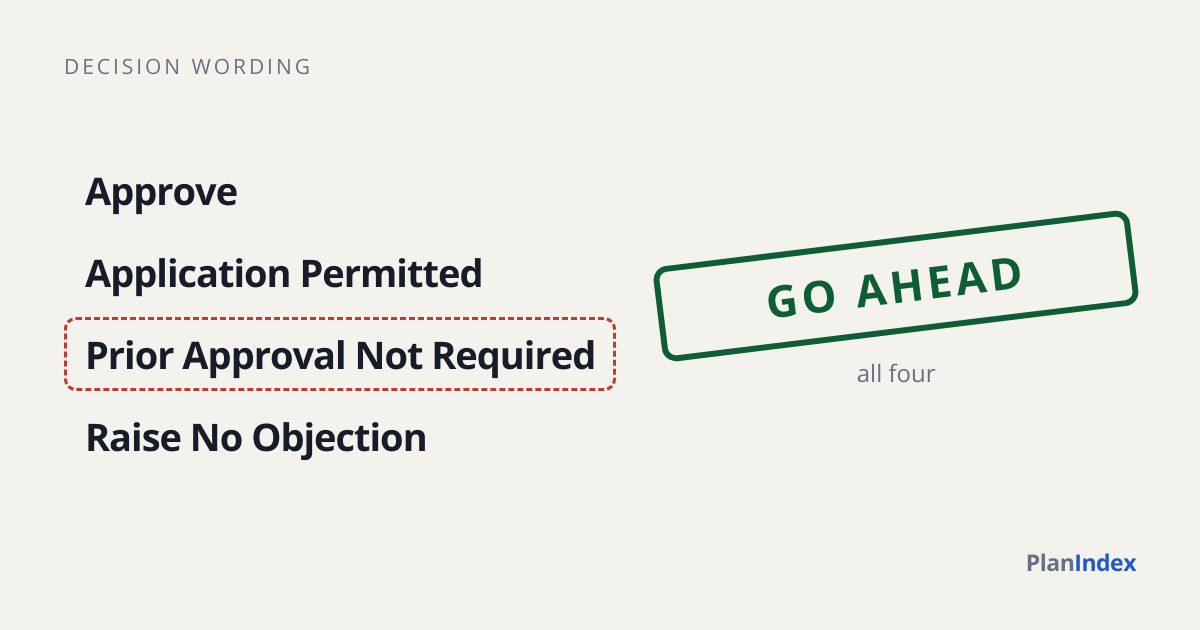
How to find out if planning permission has been granted
The applicant gets a decision notice. In England, neighbours and objectors have no right to be told. Where a decision appears and how fast, what the council's wording actually means, and the deadlines that start whether or not you know.
-
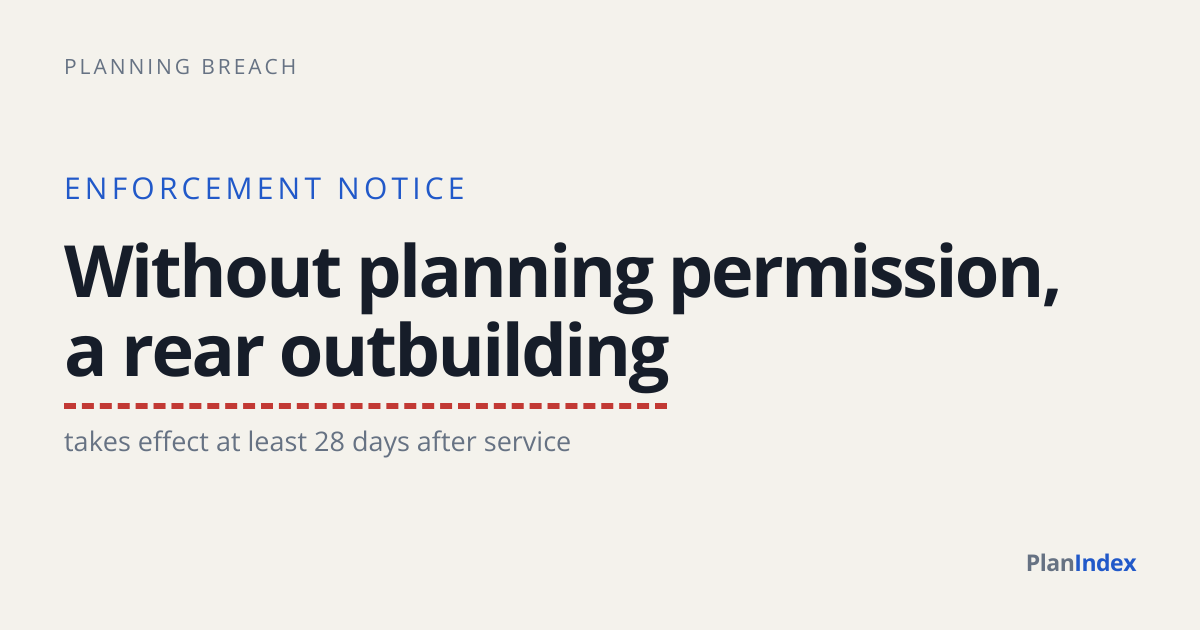
What to do if a neighbour builds without planning permission
No letter came, and something is going up next door. How to check whether it needed permission, how to report it, what the council does with a report, the notices it can serve, and how long an appeal can hold them up.
-
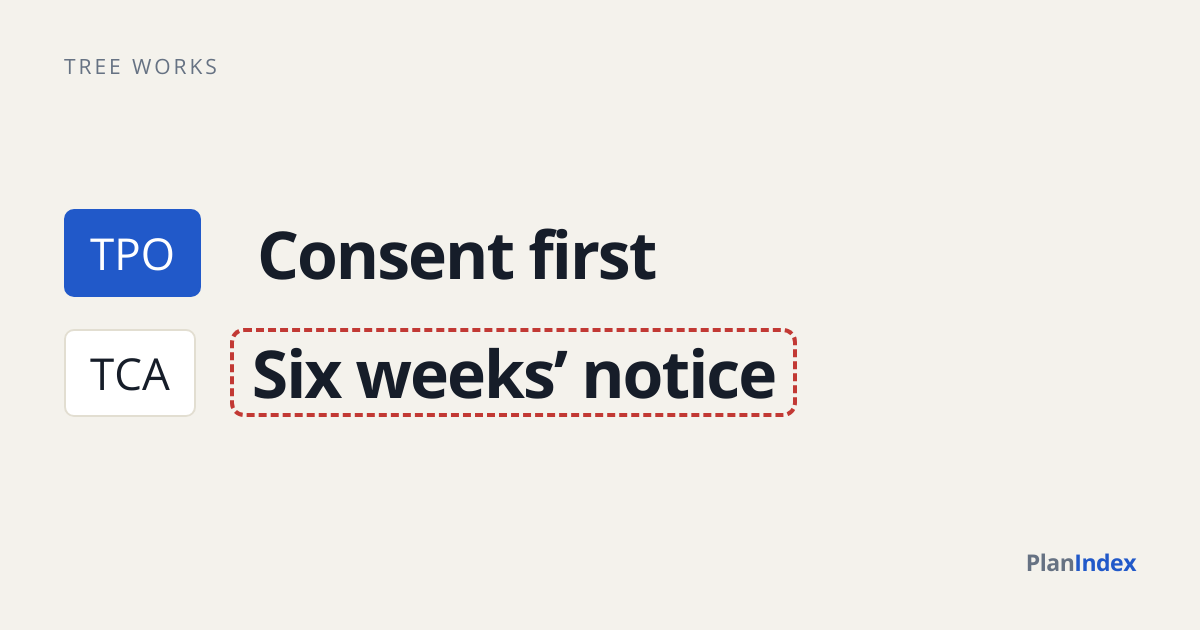
When you need permission to cut down or prune a tree
Most garden trees can be felled or pruned without asking anyone. A tree preservation order or a conservation area changes that. How to check, what needs consent and what only needs six weeks' notice, the exceptions, and the penalties.
-
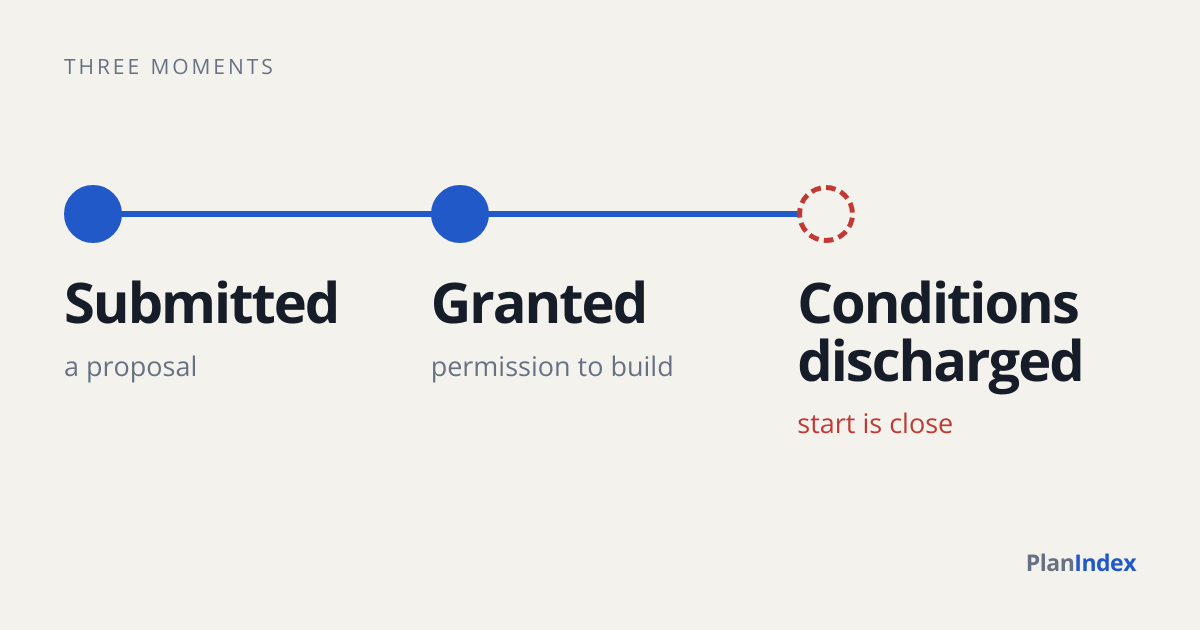
How to get leads from planning applications
The planning register shows building work before it starts. What each stage of an application tells a trade, how to judge a record from its description, who you can contact, and the rules on letters, emails and calls when you do.
-
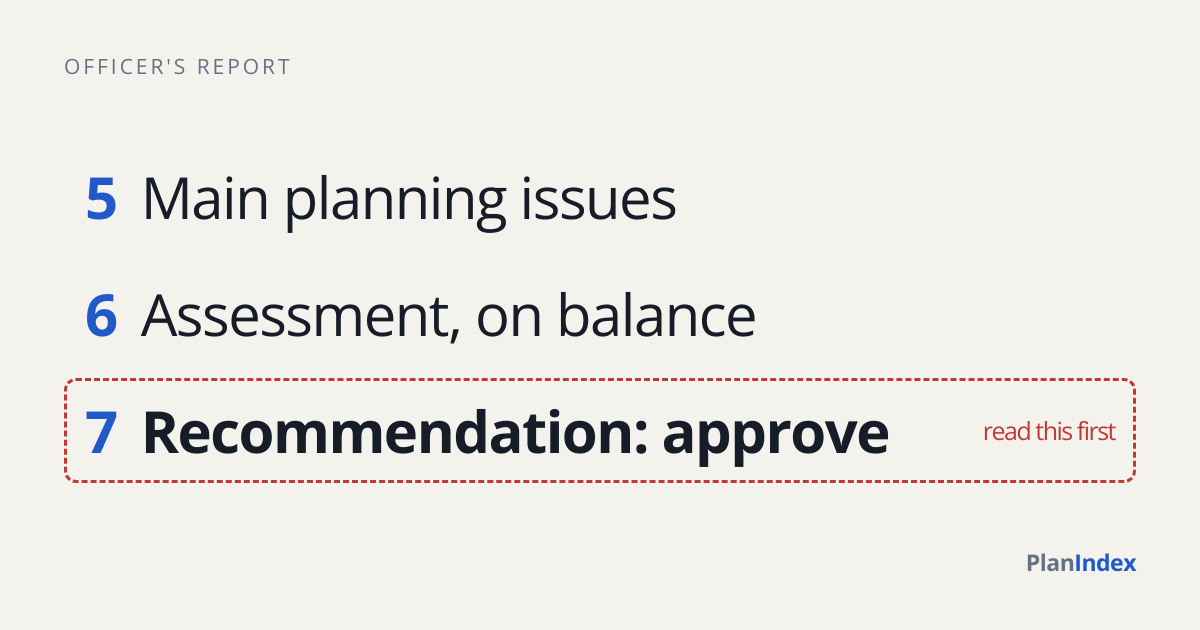
How to read an officer's report
The officer's report is the only place a council explains a planning decision. Which section to read first, what "on balance" and "limited weight" mean, when it is published for delegated and committee cases, and what you can do if your objection is missing.
-
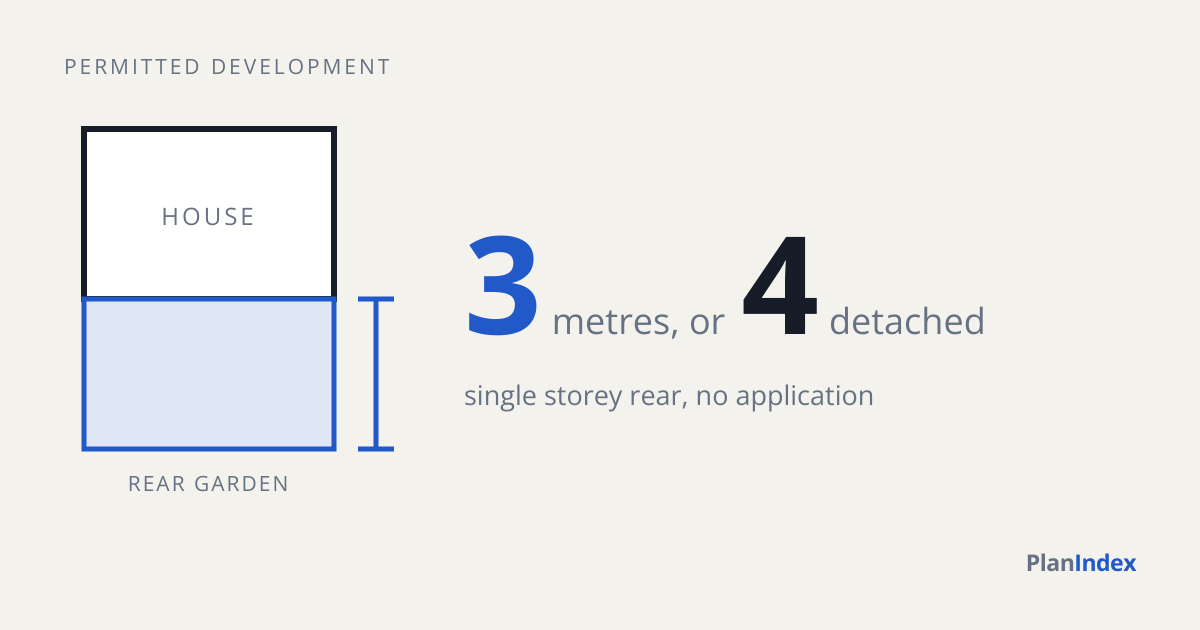
What you can build without planning permission
Permitted development is planning permission granted nationally, so most modest extensions, lofts and sheds never need an application. The limits for each project, the homes that have no such rights, and what a neighbour can do about work next door.
-
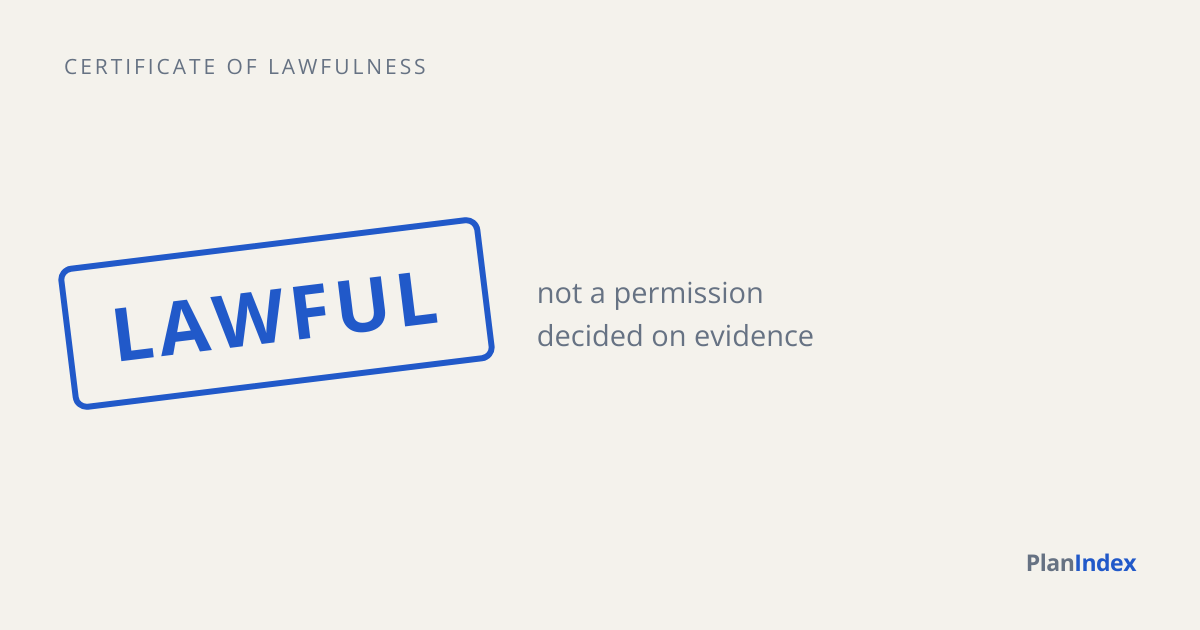
What a certificate of lawfulness is and when to apply for one
A certificate of lawfulness is not planning permission. What the two kinds decide, what evidence carries an existing-use case, why a neighbour's objection does not count, and how long councils actually take.
-
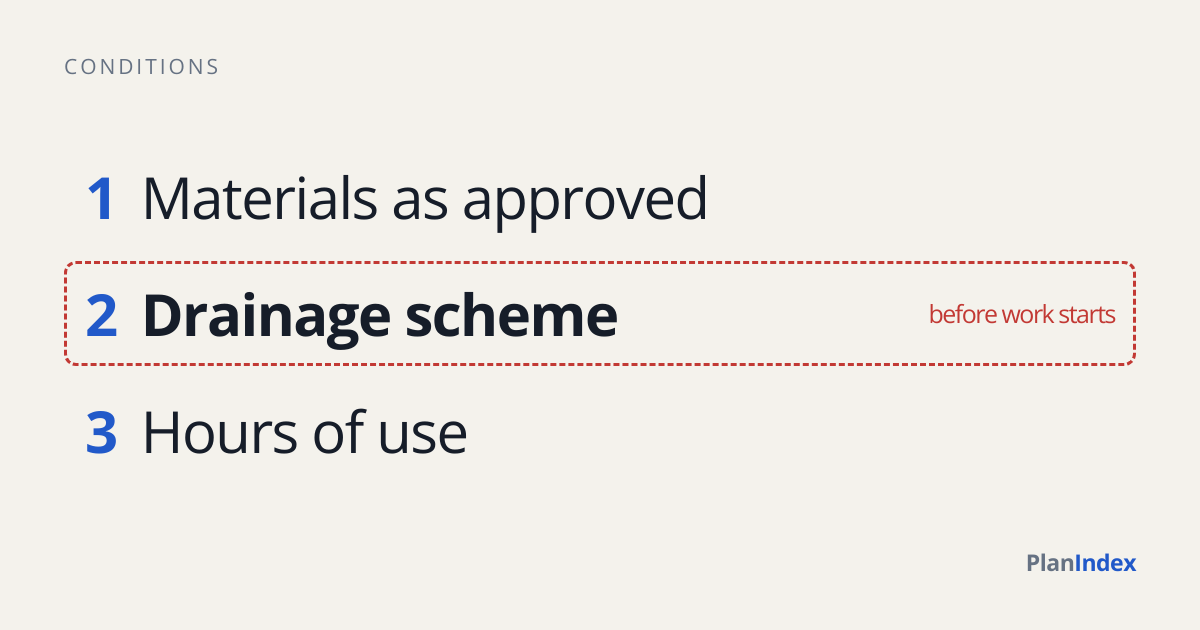
What a planning condition means
Permission is rarely a plain yes. Almost every grant arrives with numbered conditions, and some must be discharged before a spade goes in the ground. What they require, what discharging one costs and what those applications reveal about a site near you.
-

How to find planning applications in England
Where English councils publish applications, how to search a register that will not appear in Google, and how to watch an area without checking by hand.
-

How to find planning applications in Scotland
Where Scottish planning authorities publish applications, how neighbour notification works, and what makes the Scottish system different.
-

How to find planning applications in Wales
How the Welsh planning system publishes applications, where the registers live, and what is different from England, from policy to appeals.
-
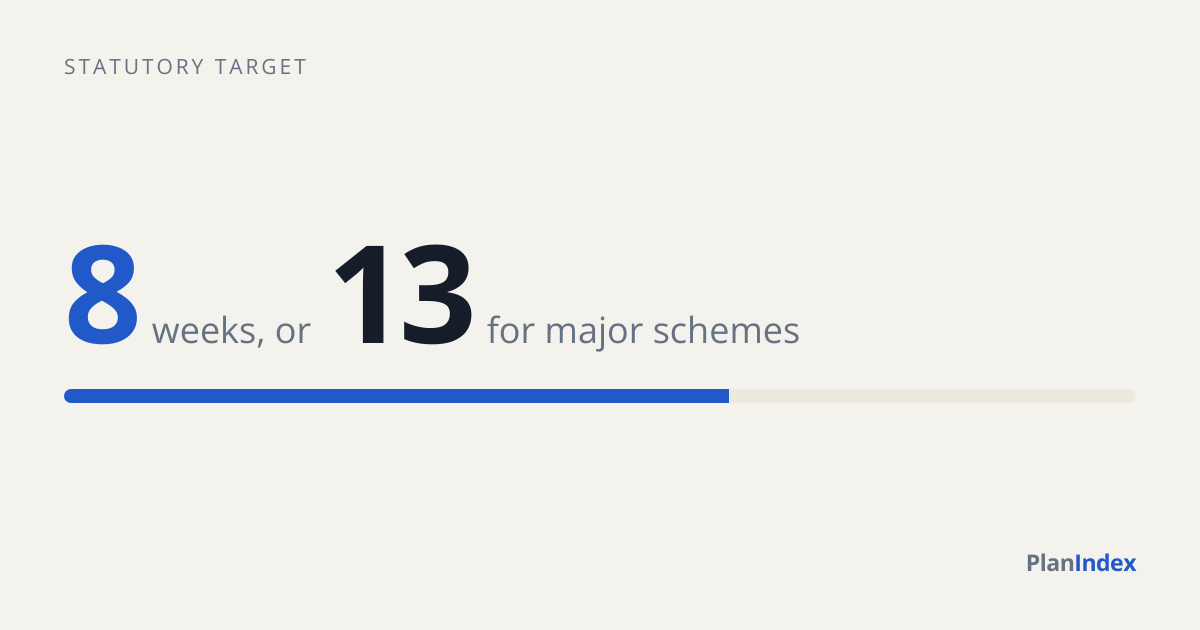
How long a planning decision takes
The statutory targets, what actually happens in practice, and how to read the dates on an application to see where it is in the process.
-

How to object to a planning application
What counts as a planning reason, what the council must ignore, how to write an objection that gets weighed, how to speak at committee and the deadlines that decide whether any of it is heard.
-

What a planning application reference number means
How to read the reference on a notification letter or site notice, what the letters at the end tell you, and how to find the application.
-
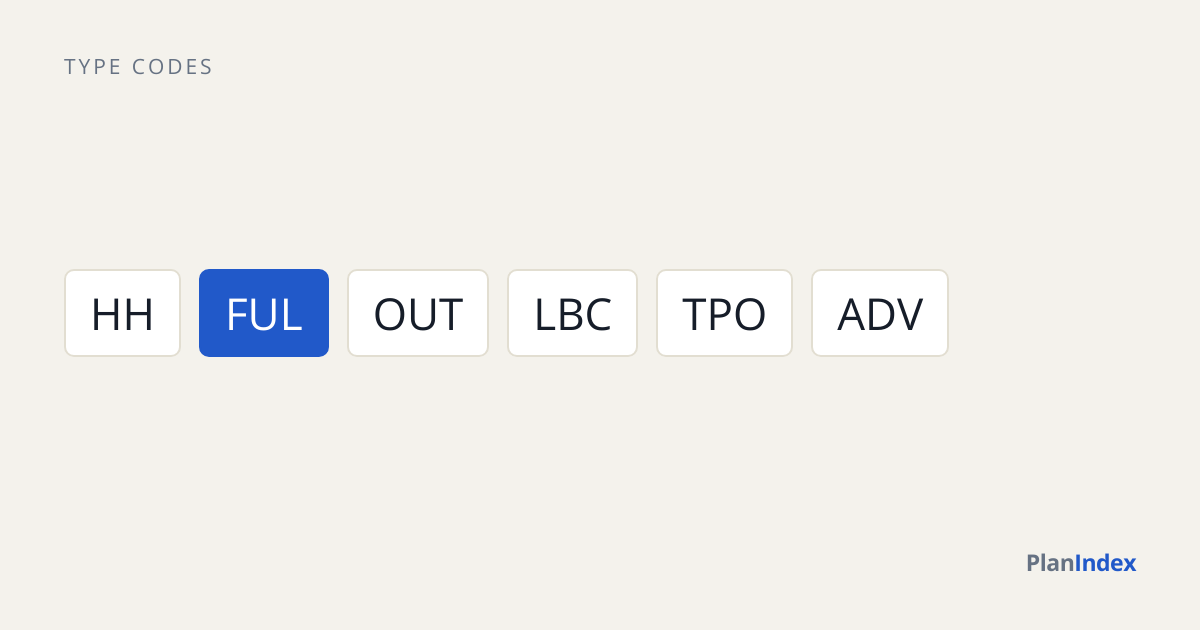
Planning application types explained
Householder, full, outline, prior approval, listed building and the rest: what each application type covers and what the council is deciding.
-
What happens after planning permission is granted
A grant is the start of a process, not the end of one. What the decision notice requires, the deadline to begin and what counts as beginning, what else is needed before work starts, and what follows a refusal or a change of plans.